
Mova iO Data
Accelerating decision intelligence outcomes
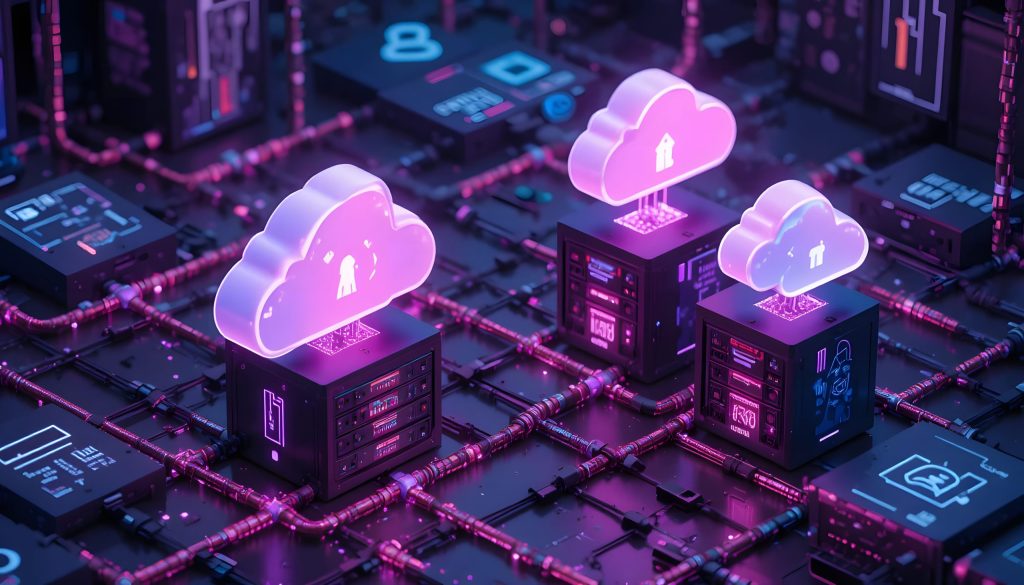
Converting fragmented data into a high-velocity engine for autonomous business decisions.
Mova iO data is built to turn data into a strategic advantage, enabling faster insights, trusted decisions, and scalable intelligence. Powered by a fleet of specialized AI agents, it autonomously drives data engineering, governance, and cloud modernization, transforming fragmented data into a high-velocity, decision-ready ecosystem.
Applied AI for decision intelligence outcomes
3X
Improvement in data pipeline deployment velocity
40-50%
Faster “data-to-decision” cycle time
60%
Shorter cycle time for discovery-to-build handovers
Our specialized data agencies
Data engineering agency
Accelerating the build of resilient, context-aware data pipelines
Data engineering twin: A digital orchestrator that maps the flow of data from ingestion to consumption, ensuring lineage and integrity.
Agent capabilities
Requirement factory: User story generators and requirements reviewers bridge the gap between business questions and technical data needs.
The architect suite: Data model designers automate schema creation while data pipeline code generators and reviewers write and audit the ETL/ELT logic.
Validation suite: Test case creators ensure that every pipeline is resilient to schema drifts and source system changes.

Data readiness & quality agency
Ensuring your data is “AI-ready” and trustworthy
Data quality & readiness twin: A real-time monitor of data health, observability, and compliance.
Agent capabilities
Data quality analyzer: Continuously scans for anomalies, missing values, or outliers, triggering self-healing scripts to correct data at the source.
Synthetic data generator: Creates high-fidelity, privacy-compliant datasets for testing and training ML models.
Governance guard: Automatically tags and classifies sensitive data (PII/PHI) to ensure regulatory compliance across the pipeline.

Data modernization agency
Migrating legacy data estates to the modern cloud with zero-risk orchestration
Modernization twin: Oversees the transition from legacy on-premises warehouses to modern cloud-native architectures.
Agent capabilities
Legacy schema converter: Automatically refactors legacy SQL and proprietary scripts into cloud-optimized formats (e.g., Snowflake, BigQuery, Databricks).
Cloud readiness evaluator: Analyzes existing data workloads to prioritize which assets will deliver the highest ROI on the cloud.
Modernization documenter: Maintains a real-time log of changes during the migration, ensuring no knowledge is lost during the shift.

FAQs
Mova iO Data from Movate is an AI-driven platform that transforms fragmented data into a decision-ready ecosystem. It enables faster insights, trusted decisions, and scalable intelligence across the enterprise.
It speeds up the “data-to-decision” process by 40–50%, thanks to automatic data engineering and governance. Thus, it provides relevant insights for business decision-makers promptly.
Enterprises can achieve up to 3x faster data pipeline deployment and 60% shorter discovery-to-build cycles. This significantly boosts agility and operational efficiency.
A fleet of specialized AI agents autonomously manages data engineering, governance, and modernization. They reduce manual effort while ensuring consistency and scalability.
The emphasis is on creating resilient data pipelines that are contextually aware. The data engineering twin guarantees seamless data flow, provenance tracking, and consistency between ingestion and consumption.
It continuously monitors data health, compliance, and observability through its digital twin. This ensures that data is clean, reliable, and ready for AI-driven use cases.
Capabilities such as data quality analysis, synthetic data creation, and governance guardrails uphold high standards. They facilitate compliance and increase data reliability.
It enables seamless migration of legacy data systems to cloud-native architectures. The modernization twin ensures a risk-free, well-orchestrated transition.
It uses tools like schema converters and cloud readiness evaluators to modernize legacy environments. This minimizes disruption while preparing systems for future scalability.
Unlike traditional systems, it is autonomous, AI-driven, and continuously optimized. It integrates engineering, quality, and modernization into a unified, high-velocity data ecosystem.
Get in touch with us
"*" indicates required fields