
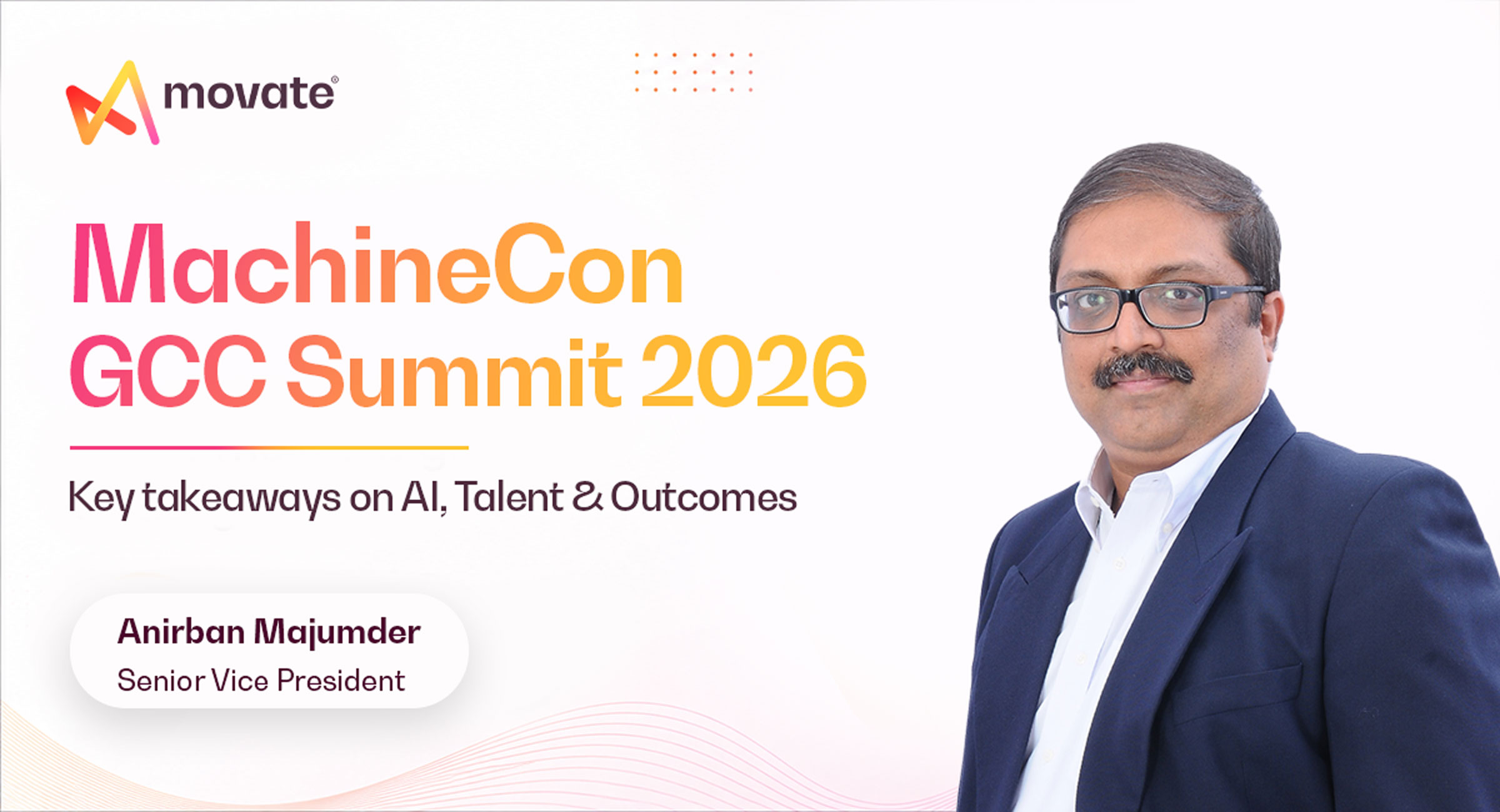
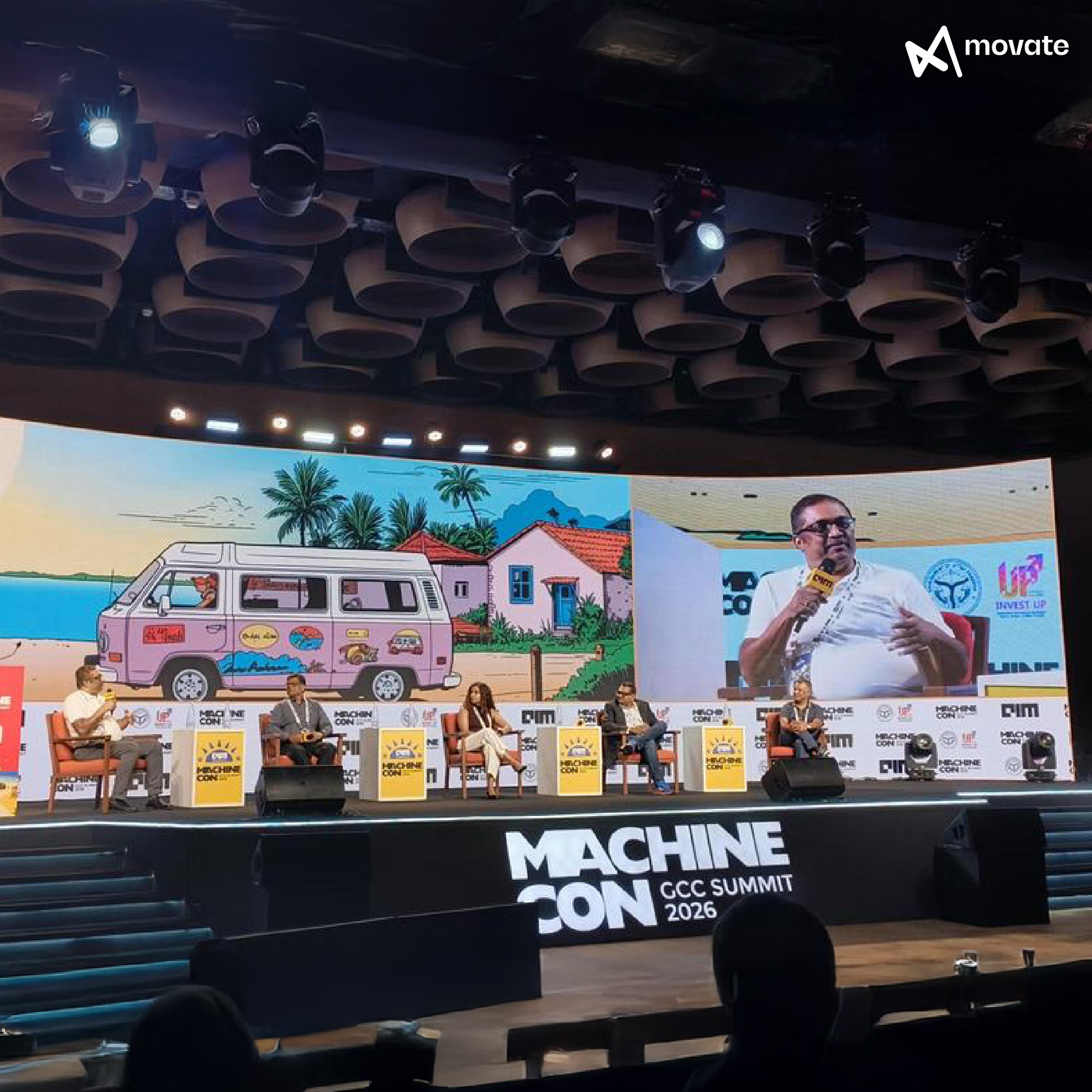
MachineCon GCC Summit 2026 brought together India’s GCC leadership community in Goa to discuss a practical question: how do global capability centers move from scale and experimentation to measurable business value? For me, the biggest themes were AI readiness, talent depth, domain expertise, stakeholder trust, and the shift from cost centers to integrated business engines.
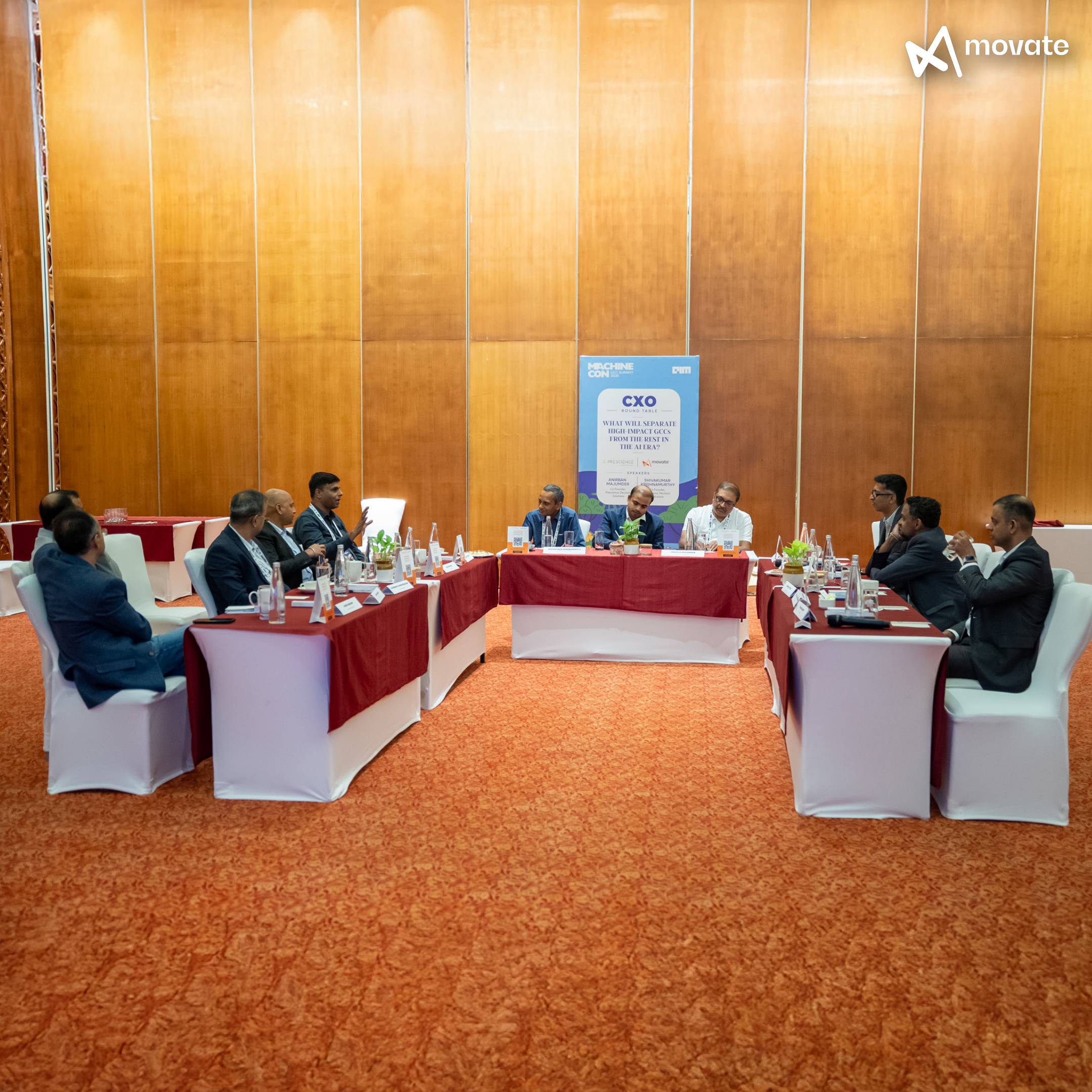
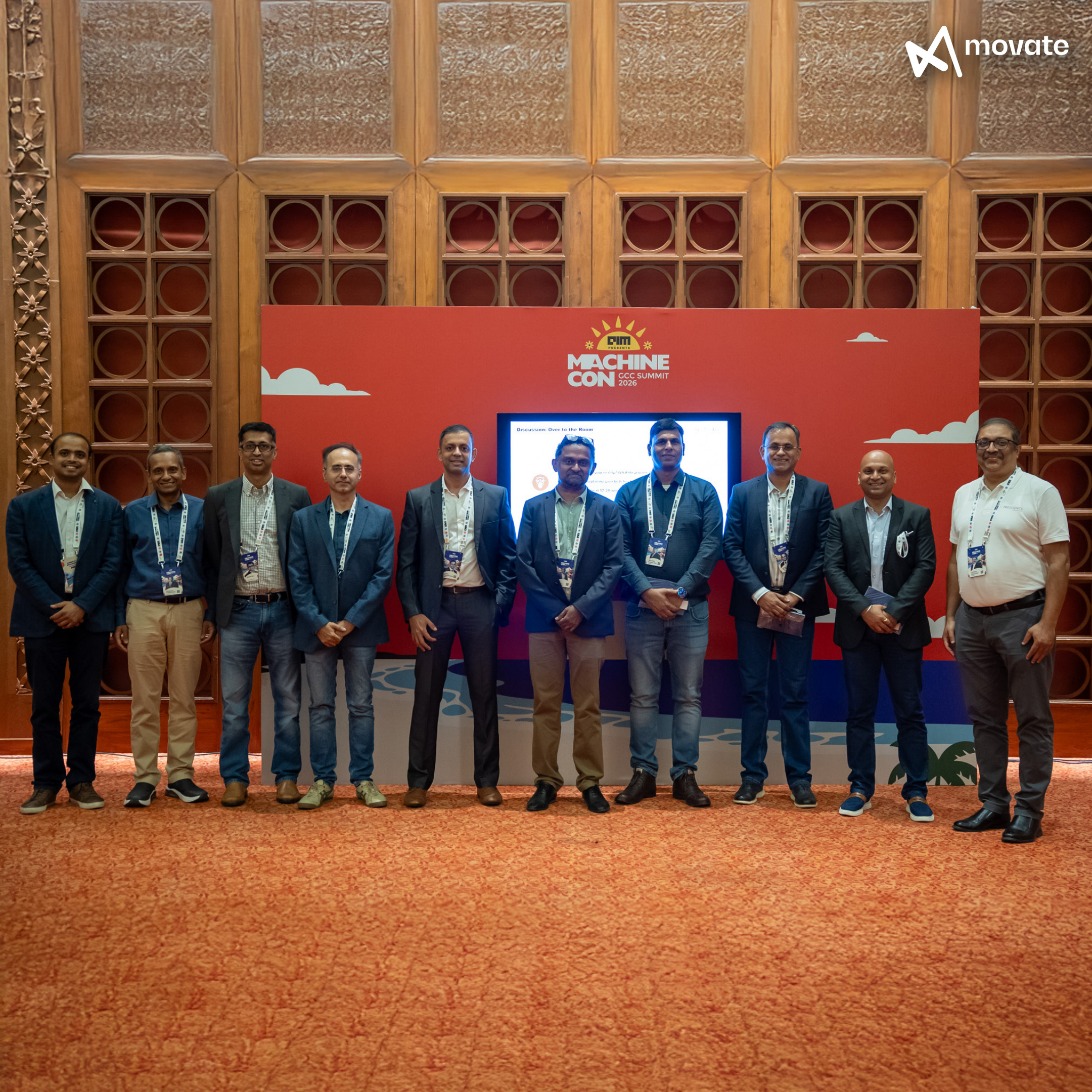
Held at Alila Diwa, Goa, India last month, this invite-only summit brought together GCC leaders, enterprise decision-makers, and AI practitioners. The event agenda focused on AI, analytics, stakeholder alignment, sustainable innovation, compliance, and talent. It was a room full of leaders asking the tough questions on the current state of GCCs, how GCCs can scale up, drive value and be more than just an extension that happens to be located offshore (global presence).
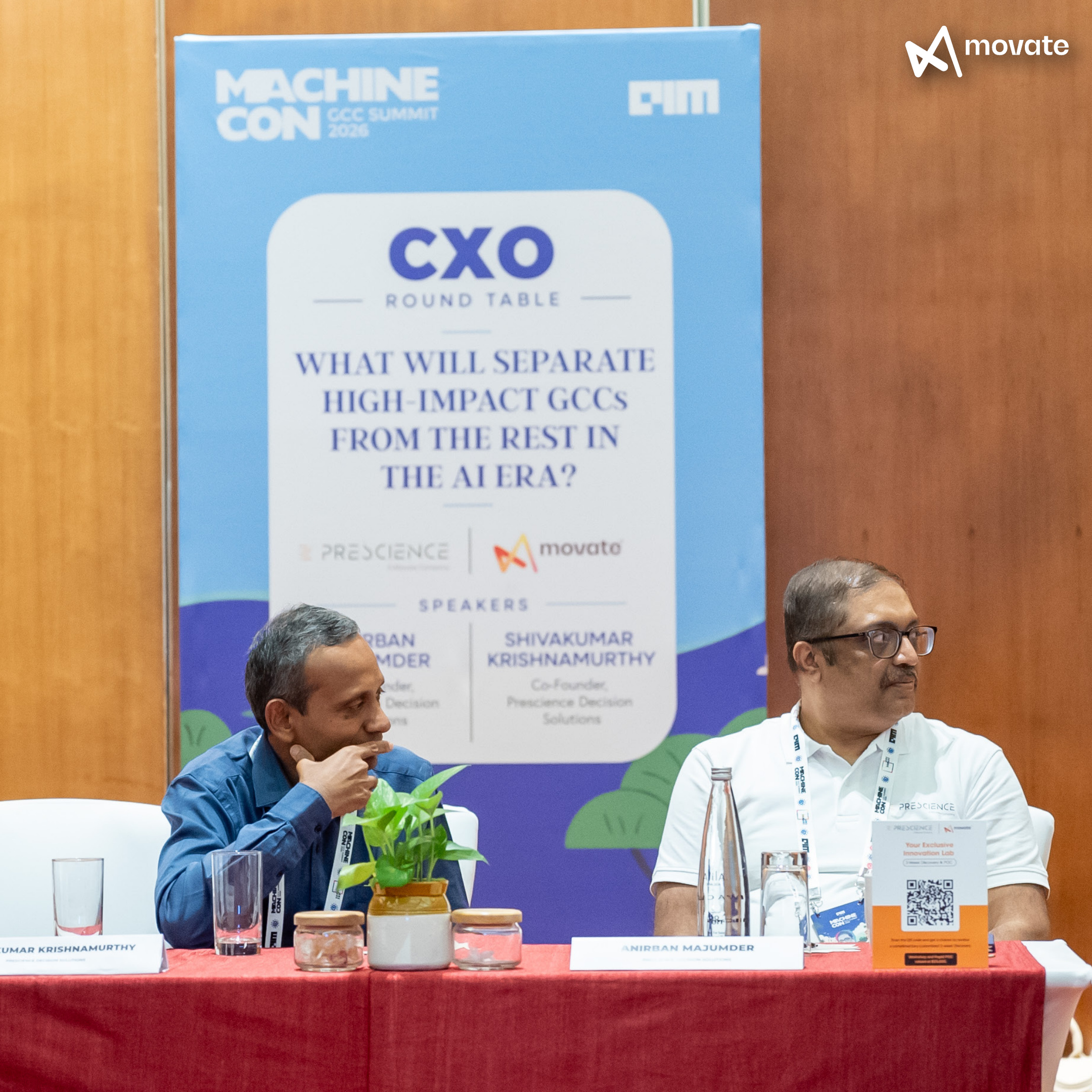
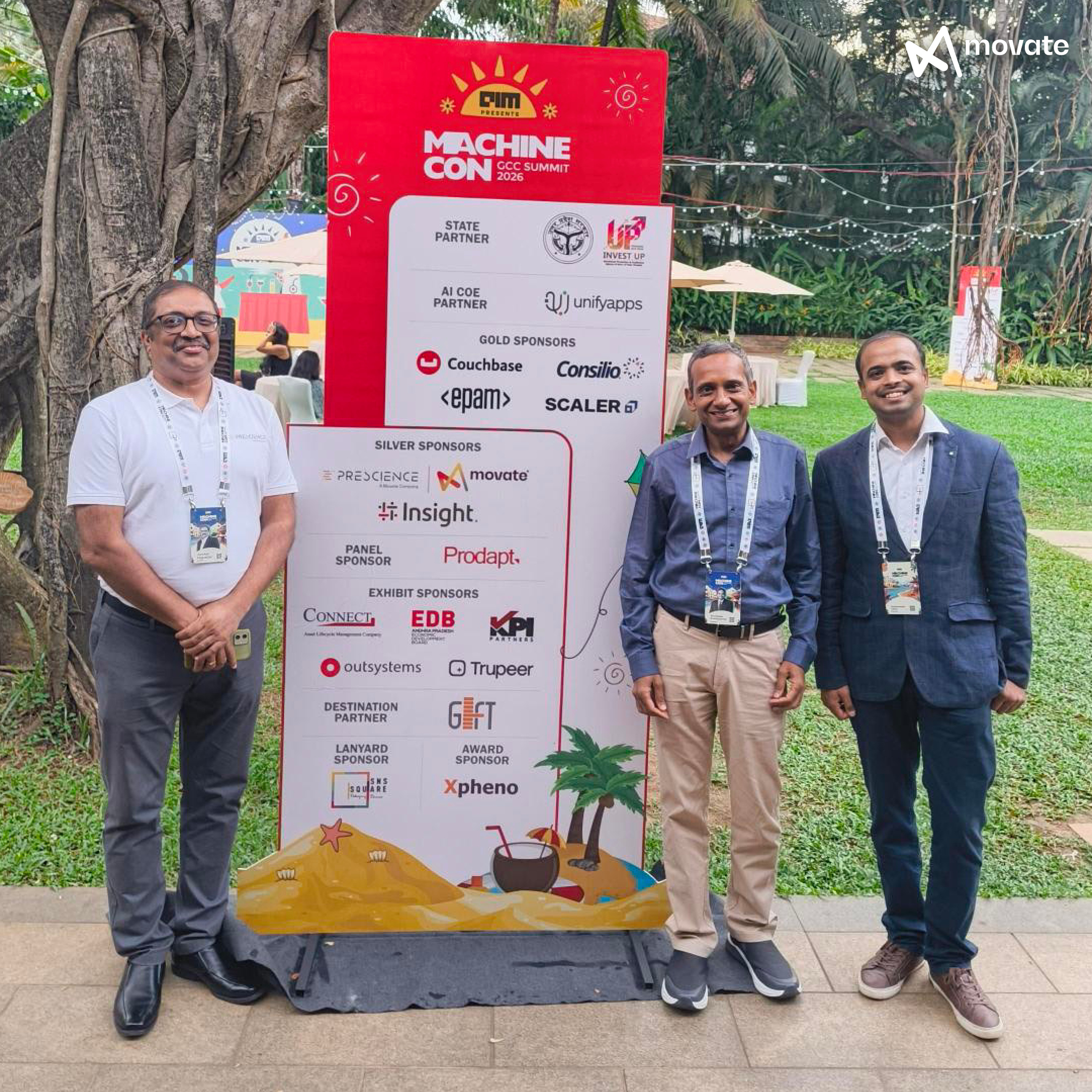
Prescience Decision Solutions (a Movate company) joined the summit as a sponsor.
Let me recap some of the takeaways from the event.
GCCs Are No Longer “Centers” On The Sidelines
One clear takeaway from the conversations was this: mature GCCs do not want to be seen as offshore support units, but as extended partners.
As one participant put it in the post-event discussion, many GCC leaders now describe their teams as integrated parts of the global business that simply happen to be based in India. That may sound like a small wording shift; it is not. It changes how GCCs measure success, how they hire, and how they earn trust from global stakeholders.
The old model was cost, scale, and delivery. The new model is business ownership.
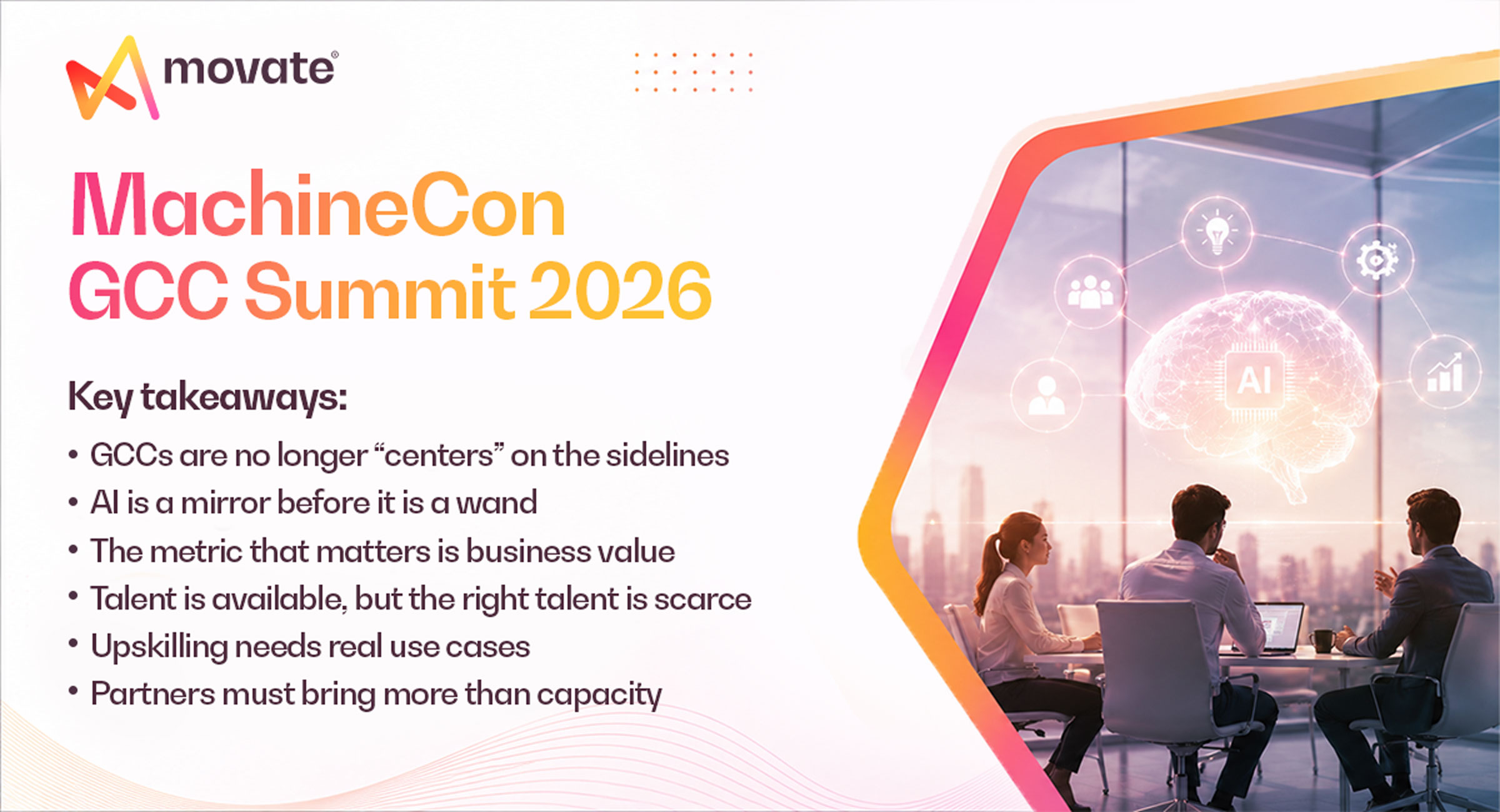
AI Is A Mirror Before It Is A Wand
One line from the event stayed with the team: AI is not a magic wand; it is a magic mirror.
That feels right. AI is exposing what is already weak inside many enterprises. Fragmented data, unclear processes, brittle workflows, security gaps, and uneven governance do not disappear when AI enters the room. In many cases, AI makes those gaps more visible.
This is why several discussions moved beyond AI pilots and POCs. Leaders were more interested in production-readiness, adoption, accountability, and business impact. Our discussions with several participants also noted that MachineCon reinforced the growing role of AI in driving business outcomes.
The Metric That Matters Is Business Value
There was also a useful shift in how leaders were tracking their AI investments. Tool subscriptions, tokens used, pilots, or experiments is not enough.
A GCC can run many pilots and still create very little value for end customers. Another team may use more compute, spend more on AI tools, and still be making the right call if the project improves decision quality, speed, customer experience, or operating efficiency.
That is where CX leaders, CIOs, CTOs, and business heads need a shared scorecard. AI success should be measured by outcomes.
Talent Is Available, But The Right Talent Is Scarce
The talent conversation part was refreshingly honest for me. India has a large talent pool, but GCCs are still struggling to find people who can work at the intersection of technology, business, and deep domain expertise.
Coding/testing is becoming easier with generative AI. But building resilient, secure, scalable enterprise systems is still hard. A prompt can create an application prototype; it cannot automatically understand insurance workflows, banking risk, healthcare compliance, retail operations, or the realities of production environments.
Domain depth is priceless in the AI economy. GCCs are looking beyond horizontal skills such as Java, testing, dashboards, or data engineering. They want people who understand the customer journey, pain points and business problems (vertical expertise) behind the code.
Upskilling Needs Real Use Cases
Another practical challenge came up: how to align skilled candidates to solve the right problems.
If employees do not get access to tools, they may feel left behind. If they do get trained but do not get real projects, the skill has nowhere to go. That creates frustration on both sides.
The better approach is to connect upskilling with actual use cases. Train people, give them guarded access, and place them on production-focused work where human judgment and AI support each other.
Partners Must Bring More Than Capacity
For partners, the message was direct. If everyone has access to similar AI tools, then partners need to deliver either better value at the same cost or similar value at a lower cost.
But cost is only one part of the story. GCCs are also asking partners to bring industry knowledge, understanding, data fluency, and the ability to move from experiment to execution.
This is where our focus on data, analytics, AI, and customer experience can matter; especially for enterprises trying to turn AI into practical outcomes.
Until Next Time
The mood at MachineCon GCC Summit 2026 evoked mixed reactions from diverse leaders across various industries. MachineCon GCC Summit 2026 reinforced one important message: the future belongs to GCCs that can turn innovation into impact and ambition into tangible business results.
The big takeaway? GCCs in India are moving closer to the core of global business. AI will accelerate that shift, but only for organizations that fix the basics first. Better data. Stronger domain talent. Clearer ownership. Real business metrics.
Global Capability Centers are transitioning well beyond their traditional role as delivery hubs. Today, they are helping shape business strategy, drive innovation, and create measurable value across the enterprise. While AI is undoubtedly accelerating this transformation, technology alone is not the differentiator. The organizations that will lead in the years ahead are those that can combine AI with deep domain expertise, trusted partnerships, skilled talent, and a clear focus on business outcomes.
To explore how Movate helps enterprises build AI-led digital operations and customer experience outcomes, contact us.
References
MachineCon GCC Summit. (2026). Agenda. https://machinecon.analyticsindiamag.com/schedule/agenda/
Movate. (2026a). Anirban Majumder speaks at MachineCon GCC Summit 2026. LinkedIn. https://www.linkedin.com/posts/movate_machinecongcc-gccindia-globalcapabilitycenters-activity-7472960143341694976-vqCZ
Movate. (2026b). Prescience at MachineCon 2026: AI in enterprise innovation. LinkedIn. https://www.linkedin.com/posts/movate_team-prescience-at-machinecon-2026-activity-7477722682407485440-XT3N
Related information
POV: GCC 3.0 – From Cost Centers to Digital Powerhouses | Movate at Everest Group Engage 2025
FAQs
The main theme was how GCCs in India can move from scale and support to measurable business value through AI, analytics, talent, and stronger alignment with global business priorities.
GCCs are now handling core technology, engineering, analytics, operations, and decision support work. Many are becoming integrated business units rather than back office extensions.
AI is exposing gaps in data, workflows, governance, and operating models. Leaders are now focused on moving from pilots to production outcomes.
AI can help write code, but it cannot replace deep understanding of industry processes, compliance needs, customer behavior, and enterprise context.
GCCs expect partners to bring domain knowledge, data and AI capability, production readiness, and measurable value; not just delivery capacity.
About the author

Anirban Majumder – Senior Vice President, Movate.
Anirban is a seasoned IT professional with over 20 years of experience working closely with enterprises to design and deliver solutions that address real business needs. With a strong focus on Marketing and Business Development, he partners with leadership teams to align technology initiatives with growth strategies and market outcomes. He is deeply committed to helping organizations unlock tangible value from their data, enabling them to scale their AI and analytics initiatives. LinkedIn.