
AI-Led App Modernization
Overview
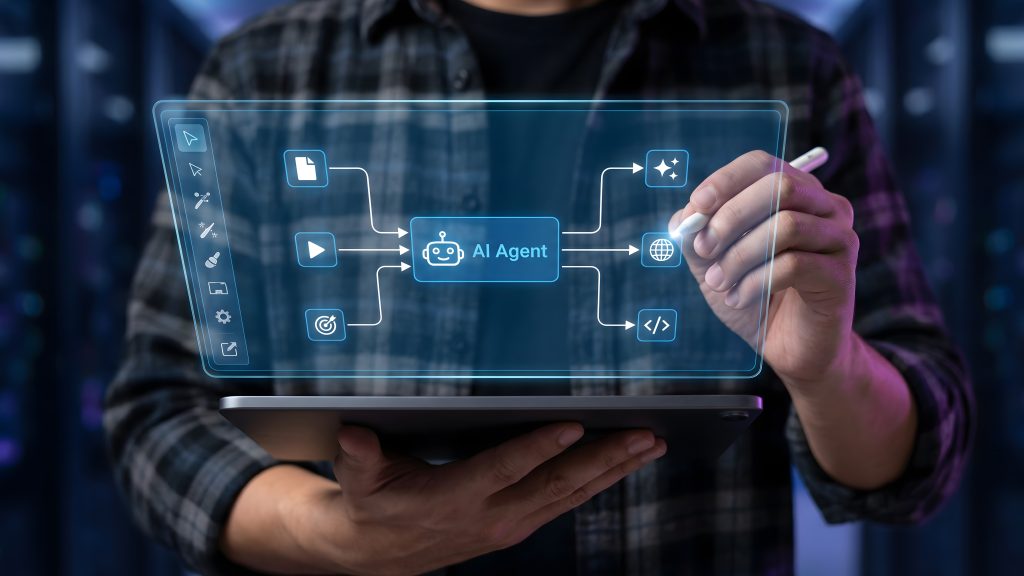
We enable enterprises to modernize legacy applications by using AI to analyze, refactor, and transform systems with speed and precision. Our approach identifies technical debt, assesses modernization priorities, and accelerates the transition from monolithic architectures to scalable, cloud-native environments. By combining AI insights and automation, we enable our clients to build future-oriented application platforms for their businesses.
AI legacy analysis & modernization
We analyze legacy application estates using AI to identify complexity, dependencies, and technical debt with minimal manual effort. We provide clarity on system architecture and risks, thereby providing a modernization framework grounded in evidence. We assist companies in prioritizing what matters most and simplifying their modernization efforts.
Business benefits:
- Faster modernization programs with reduced discovery and analysis effort
- Improved decision-making through clear visibility into risks and dependencies
- Efficient prioritization of high-impact modernization initiatives
Refactoring & microservices transformation
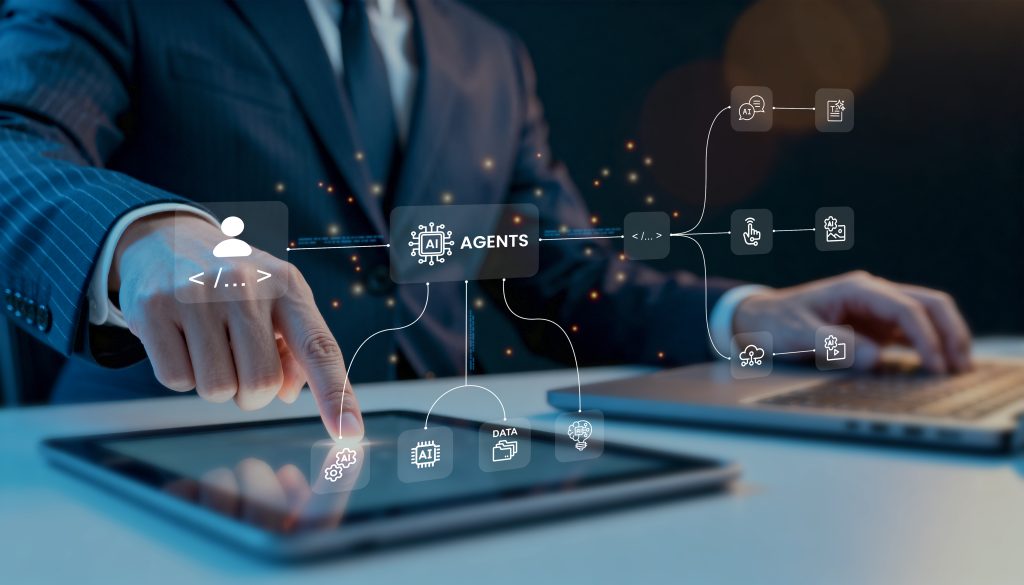
We leverage AI to accelerate code refactoring, transforming legacy systems into optimized, modern architectures while preserving functional integrity. We enable the decomposition of monolithic applications into microservices, creating modular and flexible system designs that scale with business needs.
Through human-in-the-loop validation, we maintain control and validation of the entire transformation process, ensuring precision, governance, and oversight. At the same time, we can detect the optimal boundaries for APIs.
Business benefits:
- Lower migration risk through AI-validated and incremental transformation
- Reduced rework with consistent and optimized code transformation
- Improved scalability through modular and composable architectures
Cloud migration & modernization execution
We facilitate full-stack cloud migration by assisting in planning, implementation, and upgrade of technology stacks on platforms such as AWS, Azure, and GCP. We conduct analyses on current infrastructures to determine the most efficient migration strategy. We make sure that all applications fit into the cloud-native infrastructure, making it easy for them to interact with new AI and APIs.
Business benefits:
- Faster migration timelines with automated planning and execution
- Reduced disruption during transition to cloud-native environments
- Future-ready systems integrated with modern platforms and services
Cloud optimization & cost governance
We continuously monitor cloud environments post-migration to optimize performance, resource utilization, and cost efficiency. We analyze workload patterns to identify inefficiencies and deliver intelligent recommendations for rightsizing and optimization.
We implement governance frameworks that provide visibility and control over cloud spend while ensuring system reliability. We enable organizations to sustain performance and maximize long-term value from their cloud investments.
Business benefits:
- Cloud cost reduction through rightsizing and spend optimization
- Improved operational efficiency with continuous performance monitoring
- Sustained long-term value from modernization investments
FAQs
AI-driven application modernization uses artificial intelligence to analyze, refactor, and transform legacy applications into modern, scalable, and cloud-ready systems. It helps organizations reduce technical debt, improve agility, and accelerate digital transformation.
AI analyzes application code, dependencies, architecture, and system complexity to identify technical debt and modernization opportunities. This provides organizations with a clear understanding of risks, priorities, and modernization requirements.
AI-powered legacy analysis reduces the time and effort required to assess existing systems, improves visibility into application dependencies, and helps prioritize modernization initiatives based on business impact and technical risk.
Application refactoring involves restructuring existing code to improve maintainability, performance, and scalability without changing its functionality. It helps organizations modernize systems while preserving business-critical capabilities.
AI helps identify service boundaries, dependencies, and integration points within monolithic applications. This enables organizations to break large applications into modular microservices that are easier to scale, maintain, and enhance.
Microservices improve scalability, flexibility, and resilience by allowing individual services to be developed, deployed, and updated independently. This accelerates innovation and supports evolving business needs.
AI assists with migration planning, workload assessment, dependency analysis, and execution strategies. This helps organizations move applications to cloud environments more efficiently while minimizing disruption and risk.
Cloud modernization involves redesigning applications and infrastructure to fully leverage cloud-native capabilities such as scalability, automation, APIs, and AI integration. This enables greater flexibility and operational efficiency.
Cloud optimization continuously monitors resource utilization, performance, and costs to identify opportunities for improvement. This helps organizations maximize efficiency, maintain performance, and control cloud spending.
Cloud cost governance provides visibility into cloud usage and spending while enforcing optimization and accountability practices. It helps organizations control costs, improve resource allocation, and maximize the long-term value of their modernization investments.
Get in touch with us
"*" indicates required fields