
AI-Led Application Support
Overview
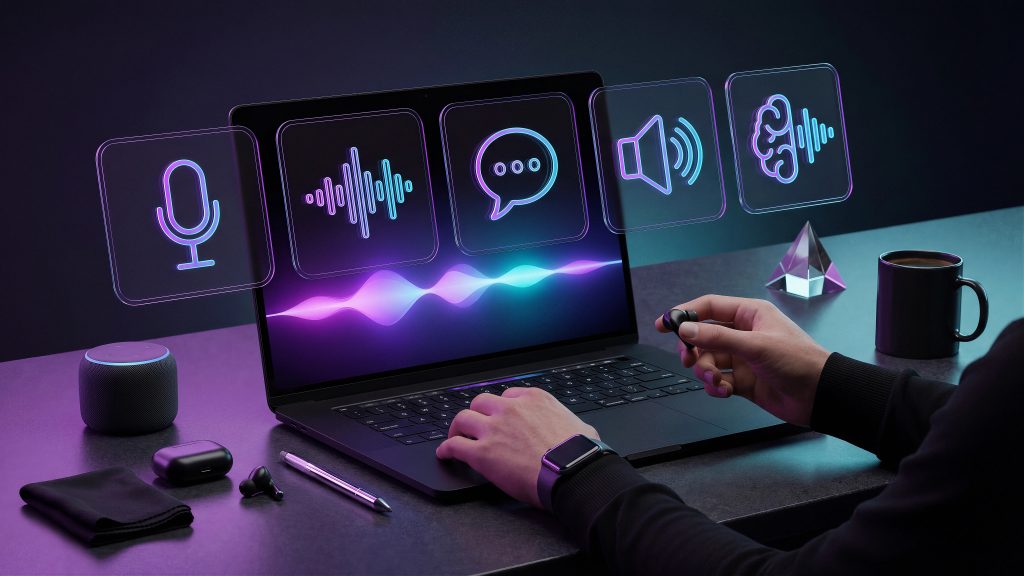
We leverage AI to transform application support from reactive incident management to proactive, intelligence-driven operations. We continuously monitor systems, detect anomalies, and predict failures to resolve issues before they impact users. We leverage AI-based diagnostics and automated remediation to speed up the process and limit human interaction. We make sure that our software systems are more resilient and perform better.
Proactive monitoring &
anomaly detection
We leverage AI to constantly monitor our applications for any anomaly, allowing us to predict when there will be an error or problem. We analyze the information from various sources to reveal patterns that would otherwise go unnoticed. Our approach transitions from fixing problems after they happen to preventing them before they occur.
Business benefits:
- Reduced incident occurrence through early detection
- Improved system reliability and uptime
- Faster identification of performance issues

AI-guided incident resolution
We build AI-driven diagnostics to rapidly identify the root cause of incidents and recommend corrective actions in real time. We architect intelligent systems that analyze system data, logs, and past incidents to deliver contextual insights and guide teams through structured resolution workflows. We design standardized response protocols that minimize the need for human intervention and speed up decision-making processes. We allow uniform handling of incidents by all teams while constantly improving our knowledge of previous solutions.
Business benefits:
- Reduced MTTR with faster root cause identification
- Improved support team productivity
- Consistent and accurate issue resolution
Automated remediation &
self-healing systems
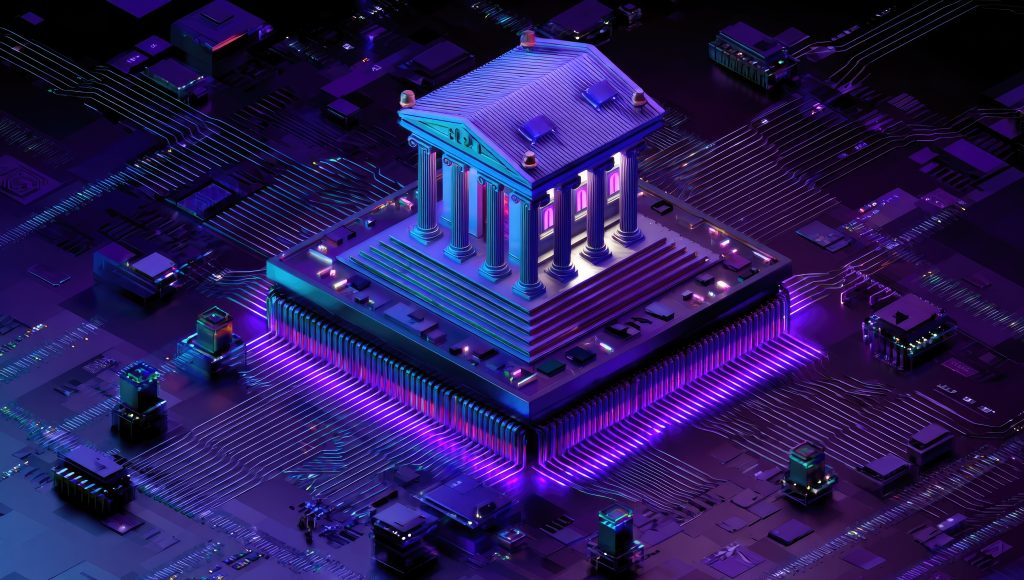
We build automated remediation playbooks to resolve known issues without human intervention, ensuring faster and consistent recovery. We architect AI systems that analyze historical incidents and system behavior to trigger the right corrective actions in real time.
We implement mechanisms for self-healing to minimize downtime and ensure stability in operations. Our approach is characterized by continuous learning and improvement to enhance precision, eliminate duplicative errors, and foster an adaptive support system.
Business benefits:
- Reduced L1/L2 support workload
- Faster resolution of recurring issues
- Increased operational efficiency through automation

Predictive performance & capacity optimization
We leverage AI to forecast demand, optimize resource allocation, and ensure applications scale efficiently with changing usage patterns. We analyze historical trends and real-time data to predict capacity needs and prevent performance bottlenecks before they occur. We facilitate the process of scaling and maximize infrastructure efficiency.
We constantly enhance performance in order to achieve stability even under peak traffic load. We assist systems in becoming more robust, cost-effective, and compliant with business needs.
Business benefits:
- Improved application performance and scalability
- Optimized infrastructure utilization and cost
- Enhanced user experience during peak demand
FAQs
AI-driven application support uses AI to proactively monitor, diagnose, and resolve application issues. It helps organizations move from reactive incident management to predictive and automated support operations.
Proactive monitoring continuously analyzes application performance, system behavior, and operational data to identify potential issues before they impact users. This helps improve uptime, reliability, and overall system stability.
Anomaly detection uses AI to identify unusual patterns, behaviors, or performance deviations within applications and infrastructure. This enables early detection of potential failures and faster issue prevention.
AI analyzes historical and real-time data to identify warning signs of failures before they occur. By detecting risks early, organizations can take preventive action and reduce the frequency of production incidents.
AI-guided incident resolution uses intelligent diagnostics to identify the root cause of issues and recommend corrective actions. This helps support teams resolve incidents faster and more accurately.
AI examines logs, system metrics, historical incidents, and operational data to quickly identify the source of an issue. This reduces troubleshooting time and improves the efficiency of support teams.
Automated remediation systems resolve known issues without manual intervention by executing predefined recovery actions. Self-healing capabilities enable applications to automatically recover from failures, minimizing downtime and operational disruption.
Self-healing systems reduce repetitive support tasks, accelerate issue resolution, and improve application availability. They help organizations maintain stable operations while lowering support overhead.
Predictive performance and capacity optimization use AI to forecast future demand, identify resource requirements, and prevent performance bottlenecks. This ensures applications remain responsive and scalable as usage patterns change.
AI-driven capacity planning helps organizations optimize infrastructure utilization, reduce operational costs, and maintain application performance during periods of high demand. This results in a better user experience and more efficient resource management.
Get in touch with us
"*" indicates required fields