
Time and again, a tech event evokes questions about why technological developments are advancing so rapidly and why the next phase of innovation might already be emerging from a university classroom.
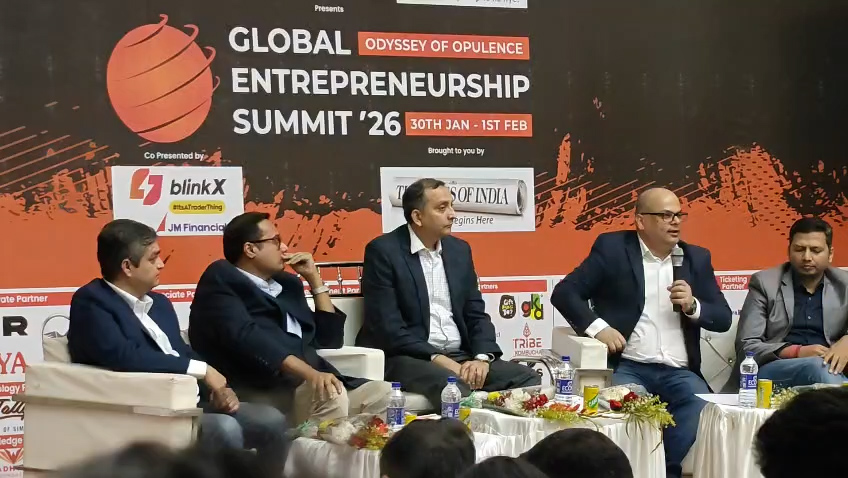
That was exactly my experience at the Global Entrepreneurship Summit (GES) 2026 at IIT Kharagpur, India, where I had the chance to participate in one of the panel discussions on “Engineering at Scale: Building AI-Native Engines for Global Markets.”
With a campus community of over 25,000 students, IIT Kharagpur, has built a hub of itself where entrepreneurship is not just an out-of-the-syllabus activity, but it’s becoming ingrained into the academic culture itself. Walking into the venue, I could feel that energy immediately.
From 30th Jan to 1st Feb, The Global Entrepreneurship Summit (GES) 2026 at IIT Kharagpur converged students, founders, and industry leaders to explore the future of AI-native systems, startup innovation, and scalable engineering; organized by the Entrepreneurship Cell of IIT Kharagpur, the event had various panel discussions on emerging tech and global markets. Industry experts discussed how organizations can build AI-native architectures, scale intelligent systems, and drive innovation through open-source ecosystems; the event highlighted how India’s next generation of engineers and entrepreneurs are already building AI-driven prototypes and startups that are reshaping the AI, startup, and deep-tech ecosystem in India.
Key takeaways
- Building AI services and AI-native engineering
- An academia that is ahead of the AI innovation curve
- AI—the language of the next generation
- AI forums like GES matter for India’s AI startup ecosystem
- The future is already being built
Building AI-Native Architectures
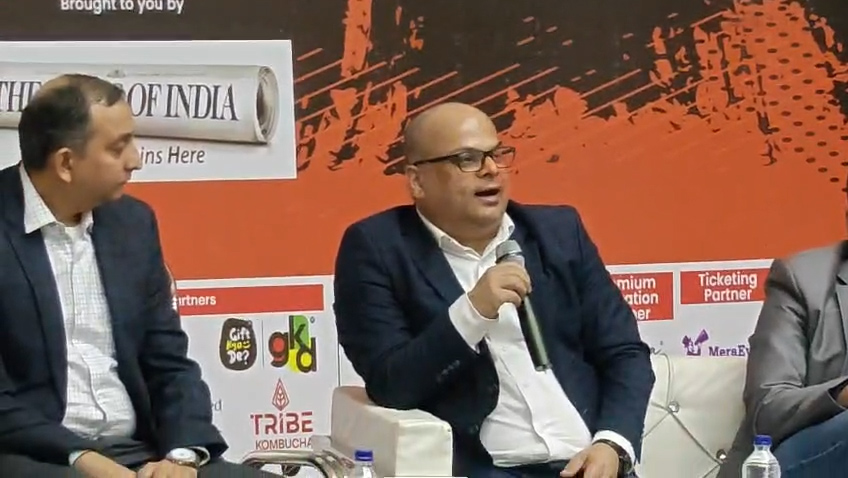
I was invited to speak on the technology panel on Day 2, alongside leaders from other organizations (Samsara, Improzo, BharatPe, and Tally Solutions); the discussion hinged on ‘how engineering teams can design AI-native engineering systems’ that can be scaled globally.
Over the course of a 90-minute session, the panel touched upon several intriguing questions that are shaping phase 2.0 of software engineering:
- What does it truly mean to build AI-native systems, rather than simply adding AI features to existing platforms?
- What engineering decisions matter most when designing AI-driven architectures?
- How can organizations build AI systems (for e.g., AI-powered enterprise Ops) that evolve continuously without breaking production environments?
- What does it take to scale AI responsibly while maintaining reliability and trust?
- And finally, what are some real-world examples of AI-native engines beyond chatbots?
These questions are increasingly relevant as businesses shift from experimentation with AI to deploying it at scale across industries: from financial services to digital platforms and enterprise automation.
What Struck Me Most: Students Already Ahead of the Curve
The panel itself was engaging, but what really stayed with me happened afterward.
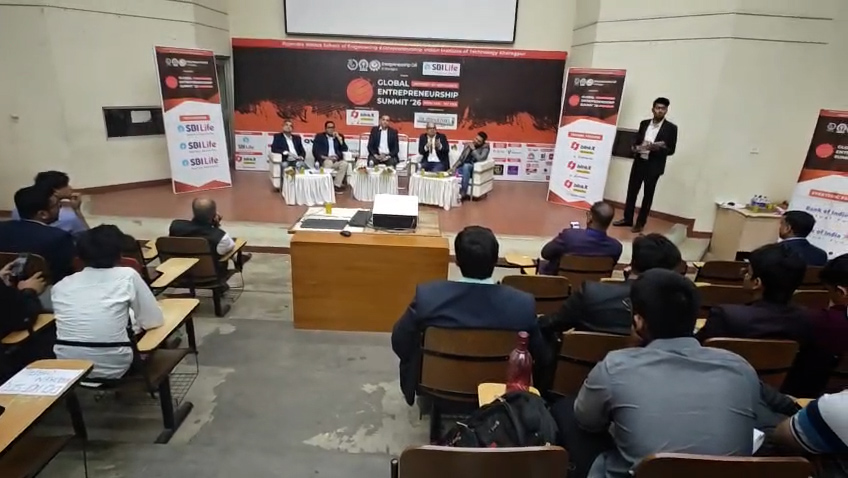
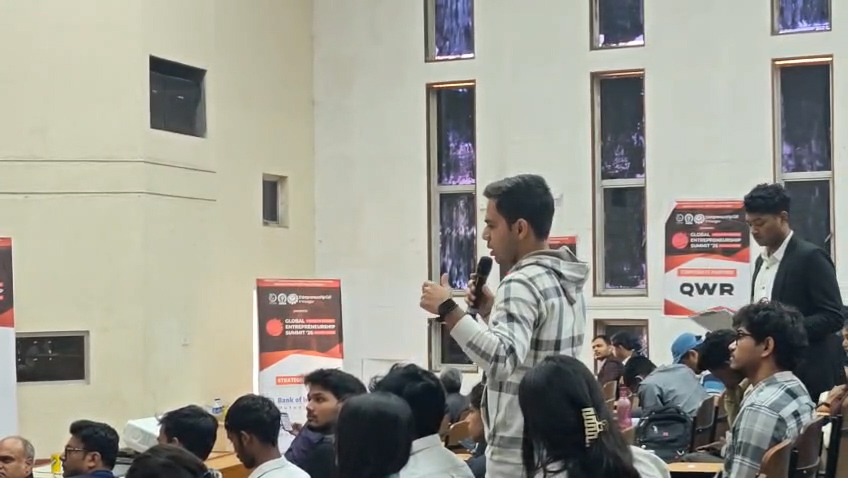
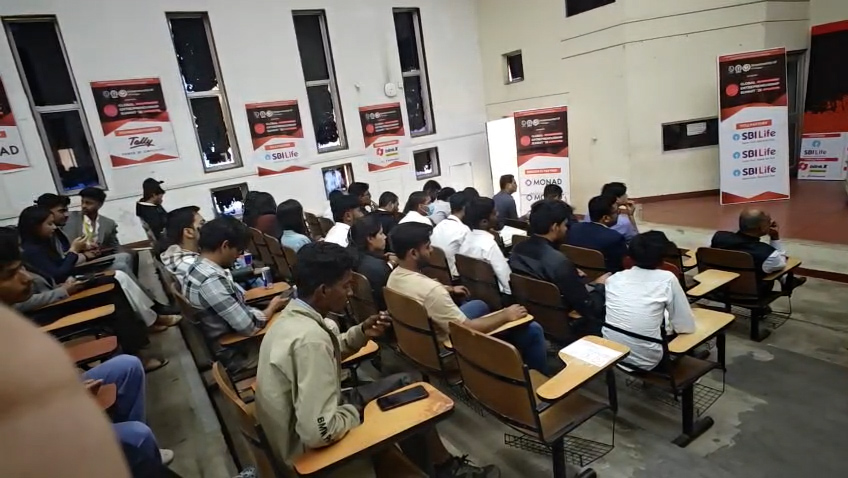
The hall had over 800 attendees, with founders and professors occupying the first few rows and dozens of rows filled with students. Once the discussion ended, the floor opened for questions, and the conversation quickly turned into something far more interesting.
Students came forward not just with questions, but with actual prototypes and startup ideas. I ended up interacting with around 30 students, many of whom were already experimenting with AI-driven solutions.
What surprised me most was how advanced some of these projects were.
One group showed me a prototype of an AI-infused personal assistant built using Claude, leveraging open-source tools across the stack. Another team demonstrated a concept for a social network designed specifically for AI agents. Yet another was experimenting with AI for data engineering workflows.
“I paused at one point; I looked around and realized that so many of the students were sitting with laptops and gadgets open, actively building, testing, and discussing ideas. The atmosphere felt less like a conference and more like a live innovation lab.”
AI Is Already the Language of the Next Generation
One thing became very clear during those conversations: today’s students are thinking about technology through an AI lens from day one.
For them, AI isn’t a futuristic concept or an optional feature. It’s simply the starting point.
Many of the tools they are using are open source, which lowers the barrier to experimentation and accelerates learning. That open ecosystem is enabling students to prototype ideas quickly and explore problems that once required large engineering teams.
Tech professionals need to be cognizant of the fact that the ‘AI disruption’ often discussed in the industry is well underway on university campuses.
Forums Like GES Matter for India’s AI Startup Ecosystem
Events like the Global Entrepreneurship Summit at IIT Kharagpur play an important role in shaping India’s technology and startup ecosystem.
The summit brought together delegates from more than 30 universities, along with founders, investors, and industry leaders. Across the three days, there were 12 panel discussions covering everything from AI and deep tech to banking and financial services innovation and startup scaling.
What makes these forums powerful is the cross-pollination of perspectives. Students get direct exposure to real-world challenges, while industry professionals get a glimpse into how the next generation is thinking about technology.
And sometimes, that perspective is refreshingly bold.
My Takeaway: The Future Is Already Being Built
I’ve had the privilege of speaking at several institutions in India: IIM Kolkata, IIT Pune, Symbiosis Pune, and IIT Chhattisgarh, among others. But every campus visit reinforces the same realization.
The next wave of innovation is not just coming from established tech companies.
It’s emerging from students who are experimenting with AI, open-source tools, and bold startup ideas long before they enter the workforce.
Leaving the halls of IIT Kharagpur that day, I felt both inspired and optimistic.
If the curiosity, creativity, and technical depth I witnessed there are any indication, the future of AI-driven engineering and global innovation is already in very capable hands. Here are some pics from the event.
References
Entrepreneurship Cell IIT Kharagpur. (2026). Global Entrepreneurship Summit (GES). http://ecell-iitkgp.org/
Entrepreneurship Cell IIT Kharagpur. (2026, January 31). GES 2026: Odyssey – Startup journey [LinkedIn post]. LinkedIn. https://www.linkedin.com/posts/ecellkgp_ges2026-odyssey-startupjourney-activity-7417600493167951874-fgho
Ojha, C. P. (2026). GES 2026 at IIT Kharagpur – Entrepreneurship and innovation discussions [LinkedIn post]. LinkedIn. https://www.linkedin.com/posts/cpojha_ges2026-iitkharagpur-entrepreneurship-activity-7422521294862094336-tcY6
About the author

Enterprise AI Leader, Cloud, Digital & Data Strategist, and Chief Architect with 24+ years of professional experience in solving business problems through technological interventions; transforming Movate Technology Office and leading capability build for Movate AI Business in my current Role. Leading Movate AI Foundation initiatives for transforming Digital & ITOps into Agentic Operations. Incubated and setup AI Innovation & Research Unit for LTIMindtree. Created Enterprise grade AI Platform, setup AI Micro Labs, and established an enterprise grade AI Agents Marketplace for Insurance Business. LinkedIn
FAQs
The Global Entrepreneurship Summit (GES) is a flagship event organized by the Entrepreneurship Cell of IIT Kharagpur that brings together students, startup founders, investors, and industry leaders to discuss innovation, entrepreneurship, and emerging technologies such as AI, fintech, and deep tech.
The theme of GES 2026 was “Engineering at Scale: Building AI-Native Engines for Global Markets.” The discussions focused on how organizations can design AI-first platforms, scale intelligent systems globally, and ensure reliability, trust, and performance in AI-driven architectures.
AI-native systems are platforms designed with artificial intelligence embedded into the core architecture from the beginning rather than adding AI capabilities later. These systems are built to learn, adapt, and evolve continuously using machine learning, automation, and data-driven decision-making.
Events like GES at IIT Kharagpur connect students with industry leaders, investors, and founders. This exposure helps students validate ideas, build prototypes, explore entrepreneurship, and contribute to the growth of India’s startup and innovation ecosystem.
Students at leading institutions such as IIT Kharagpur are already building AI-driven prototypes, open-source tools, and startup concepts in areas like AI assistants, data engineering automation, and intelligent systems. Their work reflects how the next generation of engineers is shaping the future of AI innovation and entrepreneurship in India.